
Conference Videos
PHLAI 2021

▶ Keynote
AI & ML play an integral part in neuroinformatics technology. Tan Le discusses how machine learning models to advance understanding of the human brain and to augment & enhance human performance.

▶ Keynote - Digital transformation using AI & ML
Ami explores the journey at Comcast to transform the digital customer experience using machine learning models and automation with Rhona discussing the experience and opportunities discovered in the journey.
▶ A special message from Ruth Dawson
Join our emcee Dominique Izbicki (Comcast - Executive Director of Product Management) as we kick off with highlights of the conference and more. Then we'll hear a message about today's focus on automation from Ruth Dawson, Comcast's SVP of Comcast Labs and General Manager of Silicon Valley, in the AI & ML Journey to Automation.

▶ Keynote - Digital transformation using AI & ML
Ami explores the journey at Comcast to transform the digital customer experience using machine learning models and automation with Rhona discussing the experience and opportunities discovered in the journey.
▶ Living at the intersection of blockchains and artificial intelligence
Steady advancements in the field of Blockchain technologies give rise to a whole new set of ideas, from Decentralized Organizations to Non Fungible Tokens, that have revolutionized digital art.
However, Blockchains and Artificial Intelligence rarely come up in the same conversation. In this talk, we'll take a look at the new ideas emerging out of the Blockchain space and how they promise to change the world of Artificial Intelligence and Autonomic Computing.
▶ Enabling and empowering women in technology
The talent pipeline is drying up for employers. Only 16% of candidates have the skills for current and future success. And people aren’t taking job offers because they’re worried about their health and the safety of the workplace, have kids still at home, don’t feel the pay is competitive, and other reasons. So it’s no surprise that in some cases it can take several months to make an experienced hire.
To overcome these challenges and meet growing talent demands, changes must be made to reinvigorate this talent supply chain. The best way to tackle and solve these challenges? Artificial intelligence. For instance, AI allows companies to hire for potential, not just “who has done this job before?” and improves diversity and inclusion by giving companies a view of their employees’ and applicants’ skills, rather than having to rely on informal networking for hiring and promotions.
In this talk, Ashu will share how the latest developments in AI are already transforming talent management and discuss how companies can employ AI within their organization to change the way they hire, retain, and upskill their talent. He can also share his predictions for the future and make the case that when used correctly, AI will lead to a total transformation of the career path and change the way society thinks about work as a whole.

▶ Applying innovation techniques to data science and marketing
The marketing world is changing with new user and ad tech platforms, targeting approaches, and measurement capabilities emerging every day. Marketers need their agencies and publishing partners to define their best prospective customers and activate these audiences using new platform opportunities such as linear addressable.
This session will review real-world examples of successful proofs-of-concepts and the challenges/approaches used to tackle the data investigation, experiment with various modeled approaches, and the automation techniques needed to move the projects to production. It will also explore the key concepts of innovation and how can they be applied in the data science world, geared to the specific challenges in the media & entertainment industry today.

▶ Market and price optimization at GolfNow
The decision science team at NBC Sports Next applies advanced analytics and optimization techniques across different arms of the business.
In this presentation, we will talk about the price optimization solution that handles more than 1.1 million pricing decisions on a daily basis. The team will be also walking through the use of advanced predictive analytics to optimize the digital marketing spend on a daily basis.
▶ The social impact of machine bias
The exponential growth of data in the last few years enabled the proliferation of AI/ML applications in all walks of life ranging from simple search recommendations based on patterns all the way to smart cities, autonomous vehicles, and fitness devices. Major applications in the medical industry such as diagnosis, research, and preventive care have driven this growth as well. That means it’s critical to evaluate the methods to assess the explainability, transparency, interpretability, privacy, and security of these systems to ensure they're meant for the social good.
In this talk, Dill Anupoju would like to present methods to audit, measure, and evaluate fairness in AI/ML applications and the human oversight of these systems.

▶ Five tech trends shaping the future
Five key technology trends are expected to have a profound impact on our business during the next 3-5 years. Based on recent Pega research involving some 1,300 business executives, we identified: (1) HyperAutomation, (2) Distributed Cloud, (3) AI Governance, (4) The Extended Edge, and (5) Extended Reality.
We anticipate considerable interplay among these trends (e.g., HyperAutomation meets the Extended Edge) and provide examples from different industries that reinforce how important it is for us as individuals, small businesses, and large organizations to prepare.

▶ Optimization using quantum annealing
The binary optimization model gained prominence in recent years with the discovery that it unifies a rich variety of combinatorial optimization problems.
In this presentation, Hamed will introduce the basic features of the Quadratic Unconstrained Binary Optimization model that gives it the power and flexibility to encompass the range of applications that have thrust it onto the center stage of the optimization field using D-Wave Quantum Annealing technologies.
▶ Market and price optimization at GolfNow
The decision science team at NBC Sports Next applies advanced analytics and optimization techniques across different arms of the business.
In this presentation, we will talk about the price optimization solution that handles more than 1.1 million pricing decisions on a daily basis. The team will be also walking through the use of advanced predictive analytics to optimize the digital marketing spend on a daily basis.
▶ Software innovation to enable broad-based AI literacy
The AI market is projected to grow to $190 Billion by 2025. AI is being used in every industry and is projected to be a core skill for the future. We are shifting to a new phase of AI development, where broad segments of the non-technical workforce are encountering AI in their job roles. This is both exciting and fraught with peril. Instances of AI failures, legal issues, and ethical issues are rising. There is pressure on AI development to accommodate not just data scientists but people from all walks of life.
In this talk, we discuss recent AI trends and what it takes to bring AI knowledge out of the technical domain and into the broader workforce.
We highlight technology trends like low-code, API access, cloud, and automation, that enable broad AI understanding for everyone from K-12 students to non-technical professionals. We will describe a software framework that enables AI literacy via a number of novel approaches - including automation of data preparation, automated AI compiler/code generation, agile iteration, and optimization of the entire AI lifecycle. We will then discuss the use of this software infrastructure in AWS and GCP to implement a framework for AI Literacy (the Four Cs) and experiences of bringing AI literacy to individuals worldwide.

▶ Learning to rank search results using deep learning at Xfinity
The Xfinity X1 and Flex platforms provide a search experience where new results are returned for every keystroke. We detail how our platform transitioned from a global ranking algorithm to a deep learning model trained via a Learning-to-Rank (LTR) paradigm. We will walk through the technical and scientific challenges we faced, how we overcame them, and discuss the future of search at Xfinity.

▶ Market and price optimization at GolfNow
The decision science team at NBC Sports Next applies advanced analytics and optimization techniques across different arms of the business.
In this presentation, we will talk about the price optimization solution that handles more than 1.1 million pricing decisions on a daily basis. The team will be also walking through the use of advanced predictive analytics to optimize the digital marketing spend on a daily basis.
Innovation for Inclusion of Diversity & Accessibility 2021

▶ Technology: Elevating Voices and Opening Doors for All
Technology drives increased efficiency and innovation. For businesses, tech enables product and service improvements and can lead to positive financial impacts. On this panel, we will explore the social benefits that come from technology.
Tech has enabled platforms that have bridged the digital divide, elevated voices, and created and increased accessibility. There are also new challenges that have emerged from the proliferation of technology - whether it is devices or internet connectivity - created by instantaneous communication, rapid information availability, and the use of social media.
The panel will discuss the ways in which digital platforms have improved our lives through elevating voices, creating meaningful albeit virtual connections between people in distant locations, and offering access to information.
The panelists will also raise the challenges that have arisen from the use of digital platforms and technology.

▶ Disability Visibility: The Importance of Amplifying Diverse Disabled Voices
The Disability Visibility Project is an online community dedicated to creating, sharing, and amplifying disability media and culture. Join Comcast Accessibility Principal Product Manager Joel Moffatt in conversation with DVP Founder and Director Alice Wong, award-winning historian and author of Hearing Happiness: Deafness Cures in History Dr. Jaipreet Virdi, and astronomer Wanda Diaz-Merced, who specializes in the use of sonification to enable blind researchers to process large data sets.
The panel will discuss disability, diversity, accessibility inclusion, and how it influences Tech and culture.

▶ AI for Accessibility: Artificial Intelligence Powering Real Independence
AI drives smarter, more responsive, and convenient solutions for customers. But for people with disabilities, AI can enhance quality of life and independence.
Comcast Accessibility Innovation Lead and Engineering Fellow Mark Francisco will moderate a panel of preeminent AI experts including Google AI’s Bob McDonald, SignAll CEO Zsolt Robotka, and Microsoft’s SeeingAI founder Saqib Shaikh to discuss the potential of AI to drive accessible tech, the challenge of ensuring large, inclusive data sets, and more.

▶ Accessible TV Platforms: Making Entertainment Experiences More Accessible
Accessibility can be a key driver of innovation, particularly when coupled with the development of new platforms. This panel will explore the Lightning framework through the discovery of how key design and development decisions created a truly accessible experience.
Starting with an overview of Lightning and practical examples, the panel will then cover the real-world implications of integration with an inclusive design mindset.
Accessibility Senior Product Manager Sean Durkin will moderate the panel of technical and design experts including Distinguished Comcast Engineer Chris Lorenzo, UX Engineering Manager Emily Rautenberg, and UX Engineer Chelsea Simek. They will discuss the incredible opportunities available in designing and developing a platform to be accessible to all.

▶ Accessible TV Platforms: Making Entertainment Experiences More Accessible
Accessibility can be a key driver of innovation, particularly when coupled with the development of new platforms. This panel will explore the Lightning framework through the discovery of how key design and development decisions created a truly accessible experience.
Starting with an overview of Lightning and practical examples, the panel will then cover the real-world implications of integration with an inclusive design mindset.
Accessibility Senior Product Manager Sean Durkin will moderate the panel of technical and design experts including Distinguished Comcast Engineer Chris Lorenzo, UX Engineering Manager Emily Rautenberg, and UX Engineer Chelsea Simek. They will discuss the incredible opportunities available in designing and developing a platform to be accessible to all.
▶ The Intersection of Accessibility and DEI in Technology and the Workplace
A conversation between Comcast VP of Accessibility and Inclusive Experience Tom Wlodkowski and Claudia L. Gordon, Esq., Accessibility Relationship Manger with T-Mobile.
The conversation will center on the various dimensions of diversity with which the presenters identify. They will explore how can we embrace intersectionality as they share how they lived through several dimensions of diversity, and will touch on company culture, product development, employee, and customer-facing experiences.

▶ Lightning Talks: “Not Just a Puzzle Solver” and “Don’t Be a Park Ranger, Be a Gardener”
It's no surprise that diversity positively impacts the culture and innovation of a company. However, as more women are earning STEM degrees, large gaps still exist in workplace culture, leadership, representation, etc.
As tech giants like Google, Facebook, Amazon, and Apple take on initiatives to improve their diversity, much of the work to redefine and create better workplace cultures are placed heavily on smaller teams and/or the individual. The question is not a matter of education or experience, but rather how to navigate and promote diversity and inclusion as an individual contributor. In a field where the technology is fast-paced and ever-changing but culture is slow-moving, we must first begin to redefine our roles from a bystander to active participants.
In this talk, we will share our experiences and discuss how our unique differences can become our greatest tools for reshaping the gardens in which we are placed.

▶ Inclusion in Pro Skateboarding: Parallels to Tech
Inclusion of all dimensions of diversity in our communities, workplaces, and other spaces where we bring our identities fosters a richness of viewpoints. When we allow those unique voices to thrive and shape the culture within those spaces and the products and content generated by them, we end up with more engaging and resonant experiences for all.
Join pro skateboarders Zion Wright, USA National Park Skateboarding Team; Leo Baker, legend, back-to-back world champion, and advocate for gender inclusivity; and Dan Mancina, visually impaired skateboarder and “Blind and changing how people see” advocate for a panel moderated by Skate Like a Girl Marketing Director Kim Woozy.
They’ll discuss diversity, equity and inclusion, the value of representation, and what Tech culture can learn from Skateboarding culture when it comes to inclusion.

▶ Adopting open source practices to build more inclusive products and services
Open source development practices have become so central to the way we digitize experiences and companies, that knowledge and working with open source is a competitive advantage for companies and technologists. The concept of “Innersource” has also grown popular in the last few years, essentially a methodology where engineers build proprietary software using best practices from large-scale open source projects.
Despite the growth of open source communities, it’s often difficult for small teams to recognize when they are building biased products or excluding certain groups from using their software. There has been a strong focus on hiring for diversity and inclusion in the last few years, however, companies don’t always have the financial ability to grow existing teams behind their current scope. Fortunately, companies are more likely to have a diverse audience when they look across their entire workforce than within individual teams. We can use this idea to help build more inclusive products.
In this talk, we’ll review what practices from open source companies can follow to make their products more inclusive. This includes coverage of 4 areas where practices have changed and are inclusive of all people. Also, how leaning into innersource can benefit your internal products even open source is not an option.
As a personal note, I’d like to touch on challenges for LGBTQ+ folks and how companies and teams can do a better job creating inclusive cultures within their software practices. This starts with creating an inclusive corporate culture, but ultimately the individual teams and processes that people interact with are just as important.

▶ Accessible TV Platforms: Making Entertainment Experiences More Accessible
Accessibility can be a key driver of innovation, particularly when coupled with the development of new platforms. This panel will explore the Lightning framework through the discovery of how key design and development decisions created a truly accessible experience.
Starting with an overview of Lightning and practical examples, the panel will then cover the real-world implications of integration with an inclusive design mindset.
Accessibility Senior Product Manager Sean Durkin will moderate the panel of technical and design experts including Distinguished Comcast Engineer Chris Lorenzo, UX Engineering Manager Emily Rautenberg, and UX Engineer Chelsea Simek. They will discuss the incredible opportunities available in designing and developing a platform to be accessible to all.

▶ Technology: Elevating Voices and Opening Doors for All
Technology drives increased efficiency and innovation. For businesses, tech enables product and service improvements and can lead to positive financial impacts. On this panel, we will explore the social benefits that come from technology.
Tech has enabled platforms that have bridged the digital divide, elevated voices, and created and increased accessibility. There are also new challenges that have emerged from the proliferation of technology - whether it is devices or internet connectivity - created by instantaneous communication, rapid information availability, and the use of social media.
The panel will discuss the ways in which digital platforms have improved our lives through elevating voices, creating meaningful albeit virtual connections between people in distant locations, and offering access to information.
The panelists will also raise the challenges that have arisen from the use of digital platforms and technology.
Jessie and Greg from AbleGamers will be having a discussion on bringing innovation to accessible video gaming. Beginning with user research to understanding the needs of differently-abled people and eliciting requirements for special types of controllers, through to creating a functioning prototype, we’ll hear about the considerations when designing for accessibility in the video gaming industry.

▶ Disability Visibility: The Importance of Amplifying Diverse Disabled Voices
The Disability Visibility Project is an online community dedicated to creating, sharing, and amplifying disability media and culture. Join Comcast Accessibility Principal Product Manager Joel Moffatt in conversation with DVP Founder and Director Alice Wong, award-winning historian and author of Hearing Happiness: Deafness Cures in History Dr. Jaipreet Virdi, and astronomer Wanda Diaz-Merced, who specializes in the use of sonification to enable blind researchers to process large data sets.
The panel will discuss disability, diversity, accessibility inclusion, and how it influences Tech and culture.

Jessie and Greg from AbleGamers will be having a discussion on bringing innovation to accessible video gaming. Beginning with user research to understanding the needs of differently-abled people and eliciting requirements for special types of controllers, through to creating a functioning prototype, we’ll hear about the considerations when designing for accessibility in the video gaming industry.

▶ Inclusion and the Bottom Line: Building Diverse Teams to Foster Innovation
Innovating with inclusion isn’t just the right thing to do, it’s also good business. Accenture research makes it clear that tapping the power of workplace culture is essential to unleashing innovation and realizing greater economic benefits for organizations. Accenture is putting its research into practice through its rapid innovation lab, where diverse and underrepresented teams regularly join forces to define next-gen products, concepts, and customer experiences to power the future of business. The lab is thriving because of diversity and the recognition that when building inclusive teams at the start, the result is inclusive outputs in the end that are more creative and more representative of the wider marketplace. One example of an innovative output is a whole new way for consumers to interact with their TV and connected home beyond traditional remote and voice control.
The team tapped into the emerging trend of wearable technology and 'smart' fabrics to allow for deeper personalization and the ability for consumers to manage their entertainment devices when limited mobility or dexterity might be an issue. This creative deliverable might not have been possible if it weren’t for a team that included persons with disabilities who were able to inform and evaluate accessibility features in the product prototype.
▶ Inclusion and the Bottom Line: Building Diverse Teams to Foster Innovation
Innovating with inclusion isn’t just the right thing to do, it’s also good business. Accenture research makes it clear that tapping the power of workplace culture is essential to unleashing innovation and realizing greater economic benefits for organizations. Accenture is putting its research into practice through its rapid innovation lab, where diverse and underrepresented teams regularly join forces to define next-gen products, concepts, and customer experiences to power the future of business. The lab is thriving because of diversity and the recognition that when building inclusive teams at the start, the result is inclusive outputs in the end that are more creative and more representative of the wider marketplace. One example of an innovative output is a whole new way for consumers to interact with their TV and connected home beyond traditional remote and voice control.
The team tapped into the emerging trend of wearable technology and 'smart' fabrics to allow for deeper personalization and the ability for consumers to manage their entertainment devices when limited mobility or dexterity might be an issue. This creative deliverable might not have been possible if it weren’t for a team that included persons with disabilities who were able to inform and evaluate accessibility features in the product prototype.
▶ Inclusion in Pro Skateboarding: Parallels to Tech
Inclusion of all dimensions of diversity in our communities, workplaces, and other spaces where we bring our identities fosters a richness of viewpoints. When we allow those unique voices to thrive and shape the culture within those spaces and the products and content generated by them, we end up with more engaging and resonant experiences for all.
Join pro skateboarders Zion Wright, USA National Park Skateboarding Team; Leo Baker, legend, back-to-back world champion, and advocate for gender inclusivity; and Dan Mancina, visually impaired skateboarder and “Blind and changing how people see” advocate for a panel moderated by Skate Like a Girl Marketing Director Kim Woozy.
They’ll discuss diversity, equity and inclusion, the value of representation, and what Tech culture can learn from Skateboarding culture when it comes to inclusion.

▶ Adding the initials DEI to Agile
This presentation will feature our case study on integrating diversity, equity, and inclusion into the Agile software development framework.
Using the structure of a guild or working group, we assembled a diverse coalition across our organization, educated ourselves, and presented recommendations back to the organization with the goal of establishing a community of practice for ethical digital product development. In this presentation, we'll share our approach as well as some of our recommendations on how this fits into Agile.

▶ Inclusion in Pro Skateboarding: Parallels to Tech
Inclusion of all dimensions of diversity in our communities, workplaces, and other spaces where we bring our identities fosters a richness of viewpoints. When we allow those unique voices to thrive and shape the culture within those spaces and the products and content generated by them, we end up with more engaging and resonant experiences for all.
Join pro skateboarders Zion Wright, USA National Park Skateboarding Team; Leo Baker, legend, back-to-back world champion, and advocate for gender inclusivity; and Dan Mancina, visually impaired skateboarder and “Blind and changing how people see” advocate for a panel moderated by Skate Like a Girl Marketing Director Kim Woozy.
They’ll discuss diversity, equity and inclusion, the value of representation, and what Tech culture can learn from Skateboarding culture when it comes to inclusion.

▶ AI for Accessibility: Artificial Intelligence Powering Real Independence
AI drives smarter, more responsive, and convenient solutions for customers. But for people with disabilities, AI can enhance quality of life and independence.
Comcast Accessibility Innovation Lead and Engineering Fellow Mark Francisco will moderate a panel of preeminent AI experts including Google AI’s Bob McDonald, SignAll CEO Zsolt Robotka, and Microsoft’s SeeingAI founder Saqib Shaikh to discuss the potential of AI to drive accessible tech, the challenge of ensuring large, inclusive data sets, and more.
▶ Enhancing your video experience by using advanced voice to text features
Video sharing sites like YouTube and Microsoft Stream have done an amazing job incorporating voice-to-text functionality that can automatically create transcripts of your videos after you upload them. Many people do not even realize that these sites are creating these transcripts. But this feature is invaluable when it comes to accessibility. While the translations are not always perfect, the technology has improved tremendously over the past few years.
Did you know there is an easy way for you to modify these transcripts? You can even replace them completely! In this talk, we will cover:
• Why these transcripts are so powerful
• Reasons you may want to modify or replace the default transcript
• How to create your own custom transcript using VTT files
• Making sure you are being a good A11y citizen

▶ Welcome to Innovation for Inclusion of Diversity & Accessibility 2021
Join our emcees Nithya Ruff (Comcast - Open Source Program Head) and Shilla Saebi (Comcast - Open Source Program Manager) as we kick off Day 1 with highlights from the conference and more, then stick around as Noopur Davis, Comcast's EVP and Chief Product & Information Security Officer offers us a special message for Innovation for Inclusion of Diversity & Accessibility 2021.

▶ Technology: Elevating Voices and Opening Doors for All
Technology drives increased efficiency and innovation. For businesses, tech enables product and service improvements and can lead to positive financial impacts. On this panel, we will explore the social benefits that come from technology.
Tech has enabled platforms that have bridged the digital divide, elevated voices, and created and increased accessibility. There are also new challenges that have emerged from the proliferation of technology - whether it is devices or internet connectivity - created by instantaneous communication, rapid information availability, and the use of social media.
The panel will discuss the ways in which digital platforms have improved our lives through elevating voices, creating meaningful albeit virtual connections between people in distant locations, and offering access to information.
The panelists will also raise the challenges that have arisen from the use of digital platforms and technology.
▶ Lightning Talks: “Not Just a Puzzle Solver” and “Don’t Be a Park Ranger, Be a Gardener”
It's no surprise that diversity positively impacts the culture and innovation of a company. However, as more women are earning STEM degrees, large gaps still exist in workplace culture, leadership, representation, etc.
As tech giants like Google, Facebook, Amazon, and Apple take on initiatives to improve their diversity, much of the work to redefine and create better workplace cultures are placed heavily on smaller teams and/or the individual. The question is not a matter of education or experience, but rather how to navigate and promote diversity and inclusion as an individual contributor. In a field where the technology is fast-paced and ever-changing but culture is slow-moving, we must first begin to redefine our roles from a bystander to active participants.
In this talk, we will share our experiences and discuss how our unique differences can become our greatest tools for reshaping the gardens in which we are placed.
▶ AI for Accessibility: Artificial Intelligence Powering Real Independence
AI drives smarter, more responsive, and convenient solutions for customers. But for people with disabilities, AI can enhance quality of life and independence.
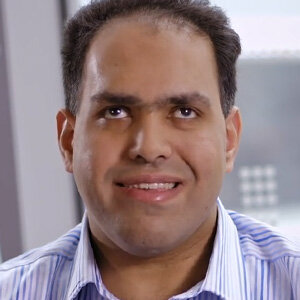
Comcast Accessibility Innovation Lead and Engineering Fellow Mark Francisco will moderate a panel of preeminent AI experts including Google AI’s Bob McDonald, SignAll CEO Zsolt Robotka, and Microsoft’s SeeingAI founder Saqib Shaikh to discuss the potential of AI to drive accessible tech, the challenge of ensuring large, inclusive data sets, and more.

▶ Accessible TV Platforms: Making Entertainment Experiences More Accessible
Accessibility can be a key driver of innovation, particularly when coupled with the development of new platforms. This panel will explore the Lightning framework through the discovery of how key design and development decisions created a truly accessible experience.
Starting with an overview of Lightning and practical examples, the panel will then cover the real-world implications of integration with an inclusive design mindset.
Accessibility Senior Product Manager Sean Durkin will moderate the panel of technical and design experts including Distinguished Comcast Engineer Chris Lorenzo, UX Engineering Manager Emily Rautenberg, and UX Engineer Chelsea Simek. They will discuss the incredible opportunities available in designing and developing a platform to be accessible to all.
▶ Enhancing your video experience by using advanced voice to text features
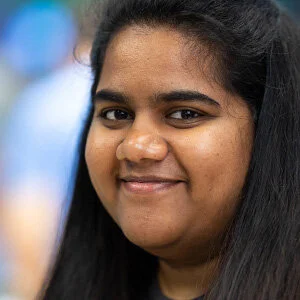
Video sharing sites like YouTube and Microsoft Stream have done an amazing job incorporating voice-to-text functionality that can automatically create transcripts of your videos after you upload them. Many people do not even realize that these sites are creating these transcripts. But this feature is invaluable when it comes to accessibility. While the translations are not always perfect, the technology has improved tremendously over the past few years.
Did you know there is an easy way for you to modify these transcripts? You can even replace them completely! In this talk, we will cover:
• Why these transcripts are so powerful
• Reasons you may want to modify or replace the default transcript
• How to create your own custom transcript using VTT files
• Making sure you are being a good A11y citizen
▶ Technology: Elevating Voices and Opening Doors for All
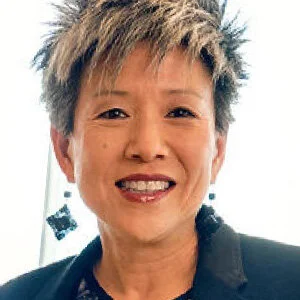
Technology drives increased efficiency and innovation. For businesses, tech enables product and service improvements and can lead to positive financial impacts. On this panel, we will explore the social benefits that come from technology.
Tech has enabled platforms that have bridged the digital divide, elevated voices, and created and increased accessibility. There are also new challenges that have emerged from the proliferation of technology - whether it is devices or internet connectivity - created by instantaneous communication, rapid information availability, and the use of social media.
The panel will discuss the ways in which digital platforms have improved our lives through elevating voices, creating meaningful albeit virtual connections between people in distant locations, and offering access to information.
The panelists will also raise the challenges that have arisen from the use of digital platforms and technology.

▶ The Intersection of Accessibility and DEI in Technology and the Workplace
A conversation between Comcast VP of Accessibility and Inclusive Experience Tom Wlodkowski and Claudia L. Gordon, Esq., Accessibility Relationship Manger with T-Mobile.
The conversation will center on the various dimensions of diversity with which the presenters identify. They will explore how can we embrace intersectionality as they share how they lived through several dimensions of diversity, and will touch on company culture, product development, employee, and customer-facing experiences.
▶ Disability Visibility: The Importance of Amplifying Diverse Disabled Voices
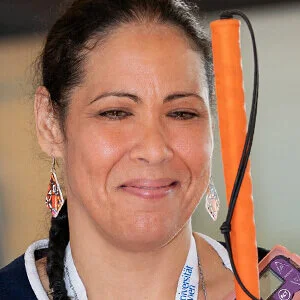
The Disability Visibility Project is an online community dedicated to creating, sharing, and amplifying disability media and culture. Join Comcast Accessibility Principal Product Manager Joel Moffatt in conversation with DVP Founder and Director Alice Wong, award-winning historian and author of Hearing Happiness: Deafness Cures in History Dr. Jaipreet Virdi, and astronomer Wanda Diaz-Merced, who specializes in the use of sonification to enable blind researchers to process large data sets.
The panel will discuss disability, diversity, accessibility inclusion, and how it influences Tech and culture.

▶ Inclusion in Pro Skateboarding: Parallels to Tech
Inclusion of all dimensions of diversity in our communities, workplaces, and other spaces where we bring our identities fosters a richness of viewpoints. When we allow those unique voices to thrive and shape the culture within those spaces and the products and content generated by them, we end up with more engaging and resonant experiences for all.
Join pro skateboarders Zion Wright, USA National Park Skateboarding Team; Leo Baker, legend, back-to-back world champion, and advocate for gender inclusivity; and Dan Mancina, visually impaired skateboarder and “Blind and changing how people see” advocate for a panel moderated by Skate Like a Girl Marketing Director Kim Woozy.
They’ll discuss diversity, equity and inclusion, the value of representation, and what Tech culture can learn from Skateboarding culture when it comes to inclusion.

▶ AI for Accessibility: Artificial Intelligence Powering Real Independence
AI drives smarter, more responsive, and convenient solutions for customers. But for people with disabilities, AI can enhance quality of life and independence.
Comcast Accessibility Innovation Lead and Engineering Fellow Mark Francisco will moderate a panel of preeminent AI experts including Google AI’s Bob McDonald, SignAll CEO Zsolt Robotka, and Microsoft’s SeeingAI founder Saqib Shaikh to discuss the potential of AI to drive accessible tech, the challenge of ensuring large, inclusive data sets, and more.
Smart Network Evolution 2021
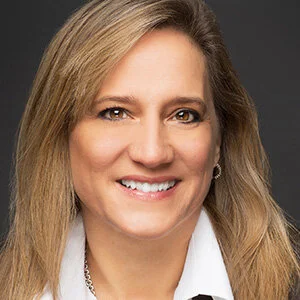
▶ Investments and Trends in Smart Networks
Yvette shares her knowledge about the future of work and the way networks need to support the growth in network traffic. The continued growth in traffic drives us to think about how to ensure we handle and secure traffic at the edge and how networks need to become simpler. She emphasizes how important it is to transition from network engineers to network automation engineers.

▶ Cloud Native Networking and the Power of the Intelligent Edge
Yousef Khalidi, Microsoft Corporate Vice President – Azure for Operators Industry Group and one of the founding members of Microsoft Azure will provide an overview of the capabilities being created by the use of cloud native technologies to support functions such a networking and security. In addition he will discuss the power of the intelligent edge and the exciting opportunities created by the fusion of edge computing and high bandwidth networking for technologies such as IoT and Industrial Automation.
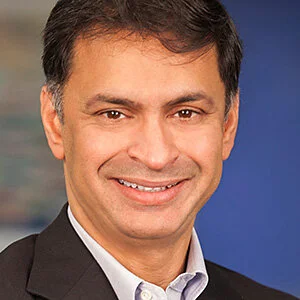
▶ Building Agile, Elastic, and Cognitive Cloud-native Open Networking Solutions
We are witnessing a time of incredible transformation with trends like 5G, edge computing underpinned by explosive growth in rich media content, hyper-connected users/devices, and mobile traffic. At the same time, Enterprises are contending with rising customer expectations for a stellar end-user experience, newer services, and the need for new monetization models – all the while trying to flatten or even bend the cost-curve. These business imperatives are changing how network architects design and build out their architectures with applications and data being distributed out to the edges. All this demands high-speed, high-performance routing-based connectivity with ultra-low latency. It also demands a seamless network experience extending across on-prem, 5G edge/access, and multi-cloud environments. The only way to deliver the full power of low-latency, open networks is with a software-powered, routing-centric network foundation.
In this keynote, Keyur Patel will be talking about how we can achieve this with open networking solutions offered with a cloud-native approach.
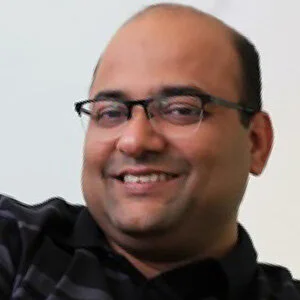
▶ Securing the container networks
We will cover the security analysis of container networks, identify a number of concerns that arise from the exposure of unnecessary network operations by containerized applications, and discuss their implications. We will also look into key areas on how to secure containers and use the standard Kubernetes resources as a best practice for securing containers and its network.
As part of this session we will cover the container security stack and go over multiple network interfaces and network policies.
Some of the key topics that we will cover:
Network Policy to Control Internal Cluster Traffic
Use the Egress Firewall to Control Traffic Leaving the Cluster
Identifying the Source of Traffic (From Outside the Cluster)
Attaching Other Networks to a Pod

Most activity around AI/ML for networks focuses on the edge of the network, whether that's access or data-center. Somewhat less discussed is the core of the network, especially in service provider networks. The core is a challenging place; the bandwidth scale is higher, the impact of changes greater and the devices that can meet these demands are not designed with AI-governed actions in mind. There has been much emphasis on streaming telemetry to glean intelligence on the state of the network and these devices already have autonomic behaviors built in that have worked well for years, but maybe they don't go far enough for a truly smarter network. This talk will briefly discuss some of these built-in behaviors that a typical service provider network may employ in their core networks today and the mechanisms that are currently being developed and deployed to allow more external influence of their decisions. Then we will explore ways in which more software control over network behavior might be achieved in future, and thus enable closed-loop control by AI systems.

▶ Automating the Journey to Cloud-Native Intelligent Networks
To achieve radical efficiencies in network operations, we need to exploit the core principles of cloud-native network architectures. A network cloud operations model is driven by a software-defined representation of services and resources at various layers – and the focus is on DevOps, continuous integration, and automation. A network cloud operations model is also explicitly focused on avoiding reactive work through capabilities such as auto-scaling, healing, closed-loop automations, change impact analysis, etc. IBM, with Red Hat, is enabling a unified, open platform to accommodate a diverse set of workloads on any infrastructure based on disaggregation of the network stack to create a modular and layered architecture. This session will talk to how this is achieved through a declarative, software-defined paradigm to define, deploy, and maintain a cloud-based network.

Infrastructure is becoming more programmable, and the network is no exception. We’ll take a look at how network elements are no longer just configurable, but becoming more programmable. We’ll also take a look at how to harness this potential in real world applications.

▶ The Democratization of Wireless Data for IoT
Where is the opportunity in Internet of Things (IoT)?
IoT is often associated to big data and AI/ML engines with a Cloud platform that has solved the data analytics. Yet, there is a key missing link: the data!
This session is about how the LoRaWAN® protocol creates a unique and necessary value proposition. It allows billions of sensors and trackers devices to connect at a very low cost of ownership and fuel data diversity to allow the System Integrators (SI) and Multi Service Operators (MSO) to deliver the promise of IoT. The LoRaWAN protocol complements high bandwidth connectivity like WiFi, and deploys like WiFi, but connects the missing link for a global connectivity offering.
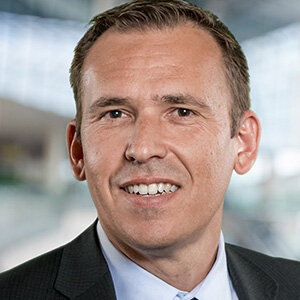
▶ The Democratization of Wireless Data for IoT
Where is the opportunity in Internet of Things (IoT)?
IoT is often associated to big data and AI/ML engines with a Cloud platform that has solved the data analytics. Yet, there is a key missing link: the data!
This session is about how the LoRaWAN® protocol creates a unique and necessary value proposition. It allows billions of sensors and trackers devices to connect at a very low cost of ownership and fuel data diversity to allow the System Integrators (SI) and Multi Service Operators (MSO) to deliver the promise of IoT. The LoRaWAN protocol complements high bandwidth connectivity like WiFi, and deploys like WiFi, but connects the missing link for a global connectivity offering.
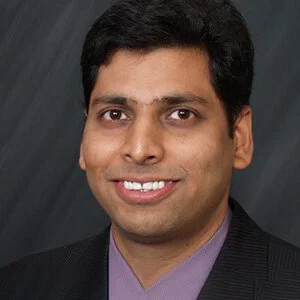
▶ Welcome to Smart Network Evolution
Nagesh Nandiraju of Comcast will kick off Day 1 of Smart Network Evolution 2021 with highlights from the conference and more!
▶ Predicting Anomalies in Network Device Hardware with a Machine Learning Algorithm
Identifying anomalies in network device hardware by collecting the light level data of infrastructure interfaces of provider edge routers deployed in Comcast backbone network. Using unsupervised machine learning algorithm, we predict which interfaces have a bad reception/transmission of light levels based on the optimal values and predict that a SFP or Fiber cable is not in optimal state.
Use the Machine Learning Data to predict failures of SFP or Fiber Cable and create alerts of the potential failure. This analysis will help in proactively replacement of the component and prevents customer impacting outages.
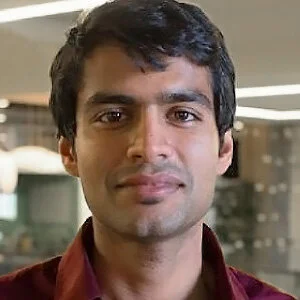
▶ Harnessing Data to Provide Actionable Insights: A Cisco Meraki Case Study in Machine Learning
With tens of millions of cloud-connected routers, switches and wireless access points, Cisco Meraki is in a unique position to gain deep insight into network trends across customers, geographies, and segments. Coupling this data set with technologies like machine learning (ML)S, Meraki is building powerful contextual and actionable insights to customers, which can help reduce the time spent in troubleshooting issues that impact user experience and network performance. In this session, Raj Krishna will deep dive into the Meraki case study and explain how they are using data and ML to advance an intelligent network at scale.

▶ Predicting Anomalies in Network Device Hardware with a Machine Learning Algorithm
Identifying anomalies in network device hardware by collecting the light level data of infrastructure interfaces of provider edge routers deployed in Comcast backbone network. Using unsupervised machine learning algorithm, we predict which interfaces have a bad reception/transmission of light levels based on the optimal values and predict that a SFP or Fiber cable is not in optimal state.
Use the Machine Learning Data to predict failures of SFP or Fiber Cable and create alerts of the potential failure. This analysis will help in proactively replacement of the component and prevents customer impacting outages.
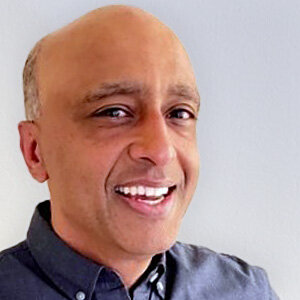
▶ Intent-based Automation & Orchestration of Network Services
Changing expectations of users/customers and new network technologies are accelerating the shift of service focus from meeting volume and other technical metric objectives to meeting quality-of-experience and business parameter goals. This presentation will cover why and how intelligent, intent-driven approaches can better address connectivity needs in the new converged networks era, and highlight the steps that will need to be taken to automate the delivery of the "best" network by interpreting and responding to the user/customer intent. The presenter will share expert insights and experiences that draw on his work with service providers, as well as being a member of the TM Forum Beyond Connectivity Advisory Board.
PHLAI 2020

▶ ForestFlow.ai: An LFAI incubating ML server
ForestFlow is an open source scalable policy-based cloud-native machine learning model server for easily deploying and managing ML models that was originally developed by DreamWorks Animation. Now it is open sourced and incubating with the Linux Foundation AI under the Apache 2.0 license.
▶ Why does AI need to be responsible? What can we do?
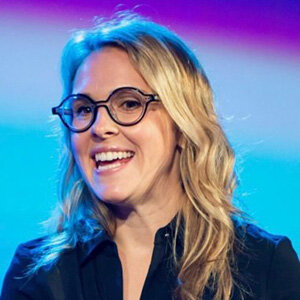
AI has the potential to do great things, it gives us a lot of reasons to be hopeful for the future. However, there have been numerous cases where we are starting to see how AI can also be harmful. This presentation will provide insight into some of these specific cases, share why there is a global outcry for oversight, and then look at what tangible steps can be taken to mitigate potential harm from these systems.
▶ Applying current AI technologies for talent transformation
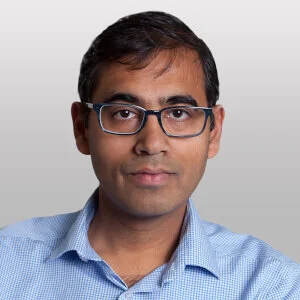
Artificial Intelligence (AI) is a significant technology trend that is changing every business function, including recruiting and talent. In this talk, Dr. Ashutosh Garg will discuss deep learning, the latest natural language processing (NLP) technology, and how they are advancing practical applications of AI for recruiting and talent. Dr. Garg's lecture will explain how this technology transforms HR functions, enabling organizations to recruit, hire, and retain talent based on the capabilities of each individual. He will also share examples of how HR organizations at leading organizations are using these technologies today. Dr. Ashutosh Garg is the Founder and CEO of Eightfold.ai. With 20 years of applied experience and a PhD from the University of Illinois at Urbana-Champaign, Dr. Garg is recognized as a leading innovator in artificial intelligence applications.

▶ Identity redefined: Eliminate risk & cut cost with AI-powered identity analytics
Global organizations are under constant pressure to reduce costs while mitigating increasing security risks. IT and Security teams are struggling to manage legacy identity solutions and manually keep up with thousands of access requests, approvals, and reviews every day. Combined with problematic role-based access controls (RBAC), this is even tougher to manage as more and more employees are working remotely. A much needed new approach is emerging. New artificial intelligence (AI)-based identity solutions are helping to identify security and access blindspots, enabling organizations to quickly understand who has access to what and why.

▶ Real world reinforcement learning
The bread and butter of machine learning is supervised learning, but reinforcement learning has a real potential to grow the space of solvable problems to include many interactive settings. Getting there is demanding: you need a system that can succeed as consistently (and often more consistently) than supervised learning approaches. I'll discuss a set of key ideas (online learning, counterfactual evaluation, reductions, and systematization) that make this possible and have allowed us to deploy hundreds of effective and useful reinforcement learning agents.

▶ Design trust into how you operate AI
Artificial Intelligence (AI) brings unprecedented opportunities to businesses, but also an incredible responsibility. The more decisions a business puts into the hands of AI, the more they accept significant risks. According to an Accenture global research study, 88 percent of respondents do not have confidence in AI-based decisions. So how do we learn to trust AI? An interdisciplinary, innovation-friendly approach can help you design responsibility into your AI from the start. In this session, Lee explores the four pillars of a responsible AI program to help manage the ethical implications of everything you do.
▶ Octave: A machine learning pipeline for managing DOCSIS profiles
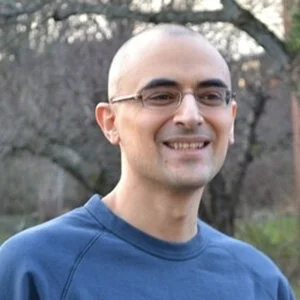
Following the COVID-related shelter-at-home orders, Comcast's network experienced a significant increase in demand for bandwidth. Though an unpreceded situation, Comcast was well prepared to meet this demand due to a multitude of efforts relating to how we manage our network capacity. One factor in our increased downstream and upstream capacity is Octave, a machine learning platform that makes daily configurations to the network to optimize performance through the management of DOCSIS profiles. In this talk, you'll learn about the main concepts behind Octave and how the system came together in the context of the pandemic.

▶ A simple method to audit, measure, and evaluate fairness in AI solutions
This presentation discusses how to apply a simple, three-pronged fairness test modified from traditional Social Work models of fairness. This three-pronged test measures equity, equal opportunity, and process equality to measure the model's outcome relative to a baseline. This is a local model applicable to any machine-learning model and requires only a few simple steps. An example will be presented based on a publicly available mortgage dataset, which will detail the calculation as well as critical underlying assumptions. In addition to showing the effects of models on the three criteria approach for increasing fairness of models while maintaining profits will be presented. This dataset was picked because it clearly demonstrates all the components required for a full evaluation of fairness: the worthiness of the individual, resource division, and risk of loss as well as long-term impacts to both parties in the transaction.

▶ Agile teaching for the enterprise
When leadership made the decision to promote Machine Learning, Comcast University inherited the duty of teaching ML to Comcast engineers. We started with good old fashioned programs: good quality courses that span multiple months. After all, this works great at universities. But for students that are actually full-time workers, these programs face many challenges: teaching at scale, student commitment, keeping teaching material up-to-date, and avoiding duplication. In this talk, we describe our changes to the teaching methodology, and how a more agile approach to teaching resolved these challenges.

Solving a data science problem is about more than making a model. It entails data cleaning, exploration, modeling and tuning, production deployment, and workflows governing each of these steps. In this simple example, we'll take a look at how health data can be used to predict life expectancy. It will start with data engineering in Apache Spark, data exploration, model tuning, and logging with hyperopt and MLflow. It will continue with examples of how the model registry governs model promotion, and simple deployment to production with MLflow as a job or dashboard.
▶ Showtime
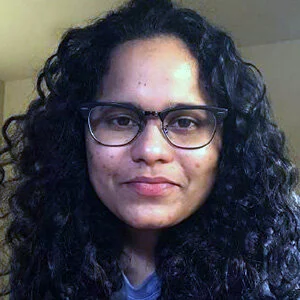
In the data-driven world that we live in, data is being produced by processes and systems every instant. To gain insights into data and conduct data analysis, SQL is used heavily at every point. It requires technical skill to write SQL or interpret the reports to generate insights. In this talk, I'm going to introduce a supervised business-case-specific method to convert natural language questions to SQL queries; and propose an approach to combine heuristic search algorithms with traditional machine learning models to generate a query and generate insights on the go.

A key ingredient of the success of a data science project is a successful collaboration between the customer for the project, domain Subject Matter Experts (SMEs), and the data scientist. This collaboration starts with formulating the business objective. It continues through the initial situation assessment including the business context of the project, availability of data, and of knowledge. It proceeds to formulating the right data analysis / data science goals. To facilitate this collaboration, I developed a "project intake template," a set of ten questions that helps me structure my initial conversations with customers and with domain SMEs and that serves as a checklist for collecting and documenting the necessary information. In the talk, I plan to present the template and share my experience of using it in practice.
Cloud Native Revolution 2020

▶ Multi-Cloud vs. Reality: A Nuanced Perspective
Some people assert that multi-cloud is the future, that it's a strategic imperative, and that it's a best practice. Those people are invariably trying to sell you things. In the real world, nobody has gone full multi-cloud, so everyone feels bad about not having gotten there successfully. In this talk, Corey explains why Multi-Cloud is a worst practice, how to contextualize the folks advocating for it, and makes himself a giant target for a multi-billion dollar industry who has a dumb idea to sell you.

Listen in while Jon and Kelsey chat about the pros and cons of technology standardization. When does it make sense? What are different ways of achieving it? How do we think strategically about it with respect to a constantly evolving industry?
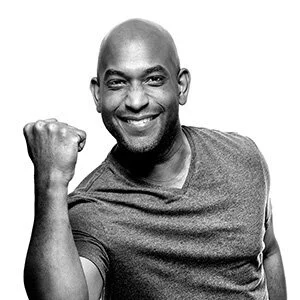
Listen in while Jon and Kelsey chat about the pros and cons of technology standardization. When does it make sense? What are different ways of achieving it? How do we think strategically about it with respect to a constantly evolving industry?

▶ Hybrid multi-cloud patterns & practices
Tools, frameworks, patterns, and standardization have finally provided companies the confidence that the Cloud can fulfill the promises of unlimited capacity, unlimited compute, and unlimited storage at a fair price.
In this session, we will present an approach that uses Hybrid & Multi-Cloud as a way for companies to build their applications that are optimized for scalability and cost. We will take a deep dive into cloud bursting, which is an architecture configuration set up between a private cloud and a public cloud to handle sudden bursts of increased peak demands. Many companies could have benefited from a cloud strategy that includes cloud bursting during the sudden change in consumer behavior that the Covid19 pandemic caused. Companies benefit from cloud bursting for seasonal spikes such as Black Friday and Cyber Monday as well as rare events such as the Covid19 pandemic.

▶ Cloudy with a chance of chaos
Weather alert! Vanguard's Chaos and Resilience Engineering team has implemented a home-grown Chaos Engineering platform, "The Climate of Chaos," featuring self-service experiments with meteorology-themed names like Cyclone, Tornado, and Blizzard. In this session, we'll break down the fundamentals of chaos engineering, the value of the practice, and why we decided to build our platform from scratch, rather than leveraging a vendor product or an open source library. We'll also get into the details of our architecture, our client engagement model, our risk management strategy, and our integrated observability and reporting tooling. By running targeted experiments with our custom tool suite, we have ensured that our systems are ready to weather any storm, no matter how much chaos is in the forecast!
After the presentation, the audience will understand what chaos engineering is, and will understand its value as a testing and fortification mechanism for both the technical and human aspects of our complex systems. They will leave with ideas for how to get started with chaos engineering, building and scaling an MVP from the ground up. Our lightweight, lean approach developed within the bounds of enterprise-level controls will be relevant for engineers at companies of any size and SRE maturity level.

This presentation would be a high-level overview of best practices, lessons learned, and what works when developing a Report/Scorecard for your peers as a way to measure cloud maturity in a positive and encouraging sense. Your peers need feedback on how they are performing compared to other teams working in the cloud, and a well-designed report card can help encourage members to operate more efficiently.

▶ Hybrid multi-cloud patterns & practices
Tools, frameworks, patterns, and standardization have finally provided companies the confidence that the Cloud can fulfill the promises of unlimited capacity, unlimited compute, and unlimited storage at a fair price.
In this session, we will present an approach that uses Hybrid & Multi-Cloud as a way for companies to build their applications that are optimized for scalability and cost. We will take a deep dive into cloud bursting, which is an architecture configuration set up between a private cloud and a public cloud to handle sudden bursts of increased peak demands. Many companies could have benefited from a cloud strategy that includes cloud bursting during the sudden change in consumer behavior that the Covid19 pandemic caused. Companies benefit from cloud bursting for seasonal spikes such as Black Friday and Cyber Monday as well as rare events such as the Covid19 pandemic.

▶ The cartoonist's guide to cloud adoption
Cloud adoption can seem like an abstract and puzzling task. Let cloud architect and viral webcomic artist Forrest Brazeal (FaaS and Furious) make things easier with this fast-paced, highly visual overview. Take a journey through public, private, multi, hybrid, and polyclouds. Face the dragons of vendor lock-in. Learn the hidden dangers of a lift-and-shift migration, the "asteroid farm" antipattern, and the three uncomfortable questions for measuring true cloud success. And gaze upon the cloud's greatest enemy: the dreaded backhoe. At the end of this session, you'll have an expanded view of what the cloud can do for you, in all its colorful incarnations.

▶ Kuberhealthy: An operator for synthetic monitoring in Kubernetes
Kuberhealthy is a synthetic monitoring operator for both apps and Kubernetes clusters. Learn how to increase application and cluster observability by replicating real workflow and carefully checking for the expected behavior to occur. With Kuberhealthy, our team has been able to reliably monitor all critical Kubernetes cluster functionality in order to catch issues before our developers do. Kuberhealthy integrates well with prometheus, creating metrics that allow kube operators to capture useful cluster KPIs. As we've transitioned more and more cloud workloads to elastic, self-healing Kubernetes clusters, the job of keeping the clusters running smoothly has become more challenging and important. That's why we're so excited to share Kuberhealthy, an open-source tool we built at Comcast to keep our Kubernetes clusters running at their best.

This presentation would be a high-level overview of best practices, lessons learned, and what works when developing a Report/Scorecard for your peers as a way to measure cloud maturity in a positive and encouraging sense. Your peers need feedback on how they are performing compared to other teams working in the cloud, and a well-designed report card can help encourage members to operate more efficiently.

▶ Serverless for AI applications
Machine and deep learning become more and more essential for a lot of businesses for internal and external use. One of the main issues with deployment is finding the right way to train and operationalize models within the company. The serverless approach for deep learning provides cheap, simple, scalable, and reliable architecture for it.
Serverless architecture changes the rules of the game - instead of thinking about cluster management, scalability, and queue processing, you can now focus entirely on training the model. The challenge with this approach is that you have to keep in mind certain limitations and how to organize training and inference of your model in a correct fashion. My presentation will show how to utilize services like AWS Batch, AWS Fargate, AWS Sagemaker, AWS Lambda, and AWS Step Functions to organize deep learning workflows.

▶ My cloud journey to film production
Cloud computing is a recent arrival to the world of IT and much research has been dedicated to a variety of its topics. A decade ago, I started my Ph.D. studies in this field with a research goal of finding a set of algorithms to mitigate the problem of load balancing in the cloud-based systems. That was just the beginning of my cloud journey.
My passion for the media industry led me to the Production Technology department at NBCUniversal where I bring my technical and leadership experience into the live-action world. Like many other industries, the movie industry has been impacted by rapid technological advances and digital innovations which changed the traditional way of making movies. Technologists in the entertainment industry are still working on solutions for major inefficiencies in storing, sharing and reusing digital content created in the production workflow. In this presentation, I will briefly talk about the existing production challenges such as long- term content storage and reusability and discuss the future vision of adopting cloud-native techniques to address these challenges.

▶ Kubernetes patterns for cloud native applications
Best practices for a successful transformation to cloud-native applications for Kubernetes. This session will focus on the Kubernetes constructs available to enable scalable, manageable deployments of containerized applications.
